
Best Commercial Property Investment Dubai: 7 High-Yield Sectors 2025
Dubai commercial real estate delivers 6-10% annual yields tax-free with institutional-grade lease terms and stable cash flow. International investors target sectors showing structural demand growth driven by population expansion, economic diversification, and regional logistics dominance.
Industrial properties achieve 7-10% yields with Jebel Ali and Dubai South leading performance. Office spaces in Business Bay and DIFC generate 8.5% yields with 15% year-over-year rent increases. Medical office buildings maintain 92% occupancy with healthcare demand driving long-term stability.
Quick Answer: 7 Best Commercial Property Sectors Dubai
- Industrial/Logistics: 7-10% yields, e-commerce growth, Jebel Ali port proximity
- Office Properties: 8-9% yields, Business Bay/DIFC dominance, 15% rent growth
- Medical Office Buildings: 8-10% yields, healthcare expansion, sticky tenancy
- Retail Properties: 7-8% yields, tourism-driven, experiential formats
- Mixed-Use Developments: 6-9% yields, diversified income, urban master plans
- Data Centers: Premium yields, AI infrastructure, power availability critical
- Self-Storage: 8-12% yields, urbanization trends, low management intensity
Detailed sector analysis follows.
Commercial Property Performance Comparison Dubai
Industrial and Logistics: Regional Hub Advantage
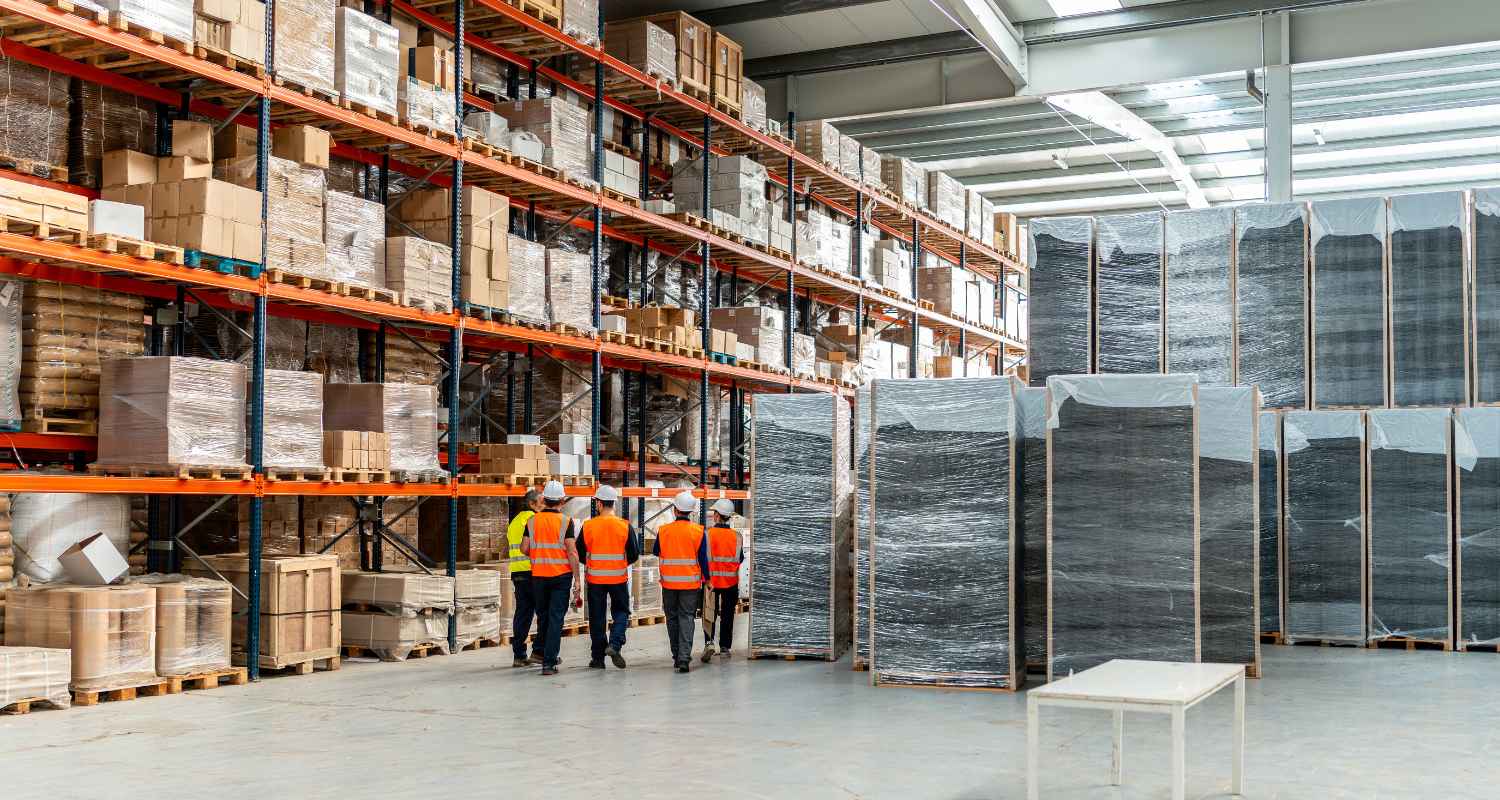
Industrial real estate in Dubai generates 7-10% yields outperforming residential sectors through long-term leases and e-commerce-driven demand. Warehouses near Jebel Ali Port and Al Maktoum Airport capture regional distribution networks serving Europe, Asia, and Africa simultaneously.
Occupancy rates exceed 90% in prime logistics zones. Dubai South, Jebel Ali Free Zone, and Dubai Industrial City attract multinational tenants including Amazon, DHL, and Kuehne + Nagel establishing large-scale fulfillment centers. E-commerce growth exceeding 20% annually drives unprecedented warehouse demand.
Triple-net lease structures transfer operating expenses to tenants. Landlords receive predictable income without maintenance burdens while industrial properties require minimal management compared to retail or office sectors. Lease terms extending 5-10 years provide income certainty institutional investors prioritize.
Prime industrial locations:
- Jebel Ali Free Zone: Port proximity, duty-free imports, 8-10% yields
- Dubai South: Al Maktoum Airport expansion, aviation logistics, 7-9% yields
- Dubai Industrial City: Manufacturing focus, 55 sq km integrated ecosystem
- Dubai Investments Park: Mixed-use integration, eco-conscious infrastructure
Office Properties: Business Bay and DIFC Dominance
Dubai office market recorded AED 3.1 billion sales across 1,153 units Q3 2025—93% year-over-year increase demonstrating exceptional investor confidence. Business Bay captured 42% of office transactions while DIFC commands premium positioning attracting global financial institutions.
Average office capital values reached AED 1,685 per square foot—highest levels in over a decade and 19% year-over-year appreciation. Grade A ESG-compliant towers experience record demand with occupancy rates exceeding 91% while supply constraints drive 15% annual rent increases.
Over 1,400 office units under construction targeting 2025-2028 delivery create strategic acquisition opportunities. Business Bay, Motor City, and Jumeirah Lakes Towers lead new supply with approximately 680,000 square meters scheduled completion by 2027.
Prime office districts:
- Business Bay: 36.9% transaction share Q2 2025, central location, metro connectivity
- DIFC: Independent legal framework, global financial firms, premium pricing
- Jumeirah Lakes Towers: Affordable central offices, SME demand, 7-8% yields
- Dubai Silicon Oasis: Tech companies, startups, affordable entry points
Medical Office Buildings: Healthcare Expansion Driver
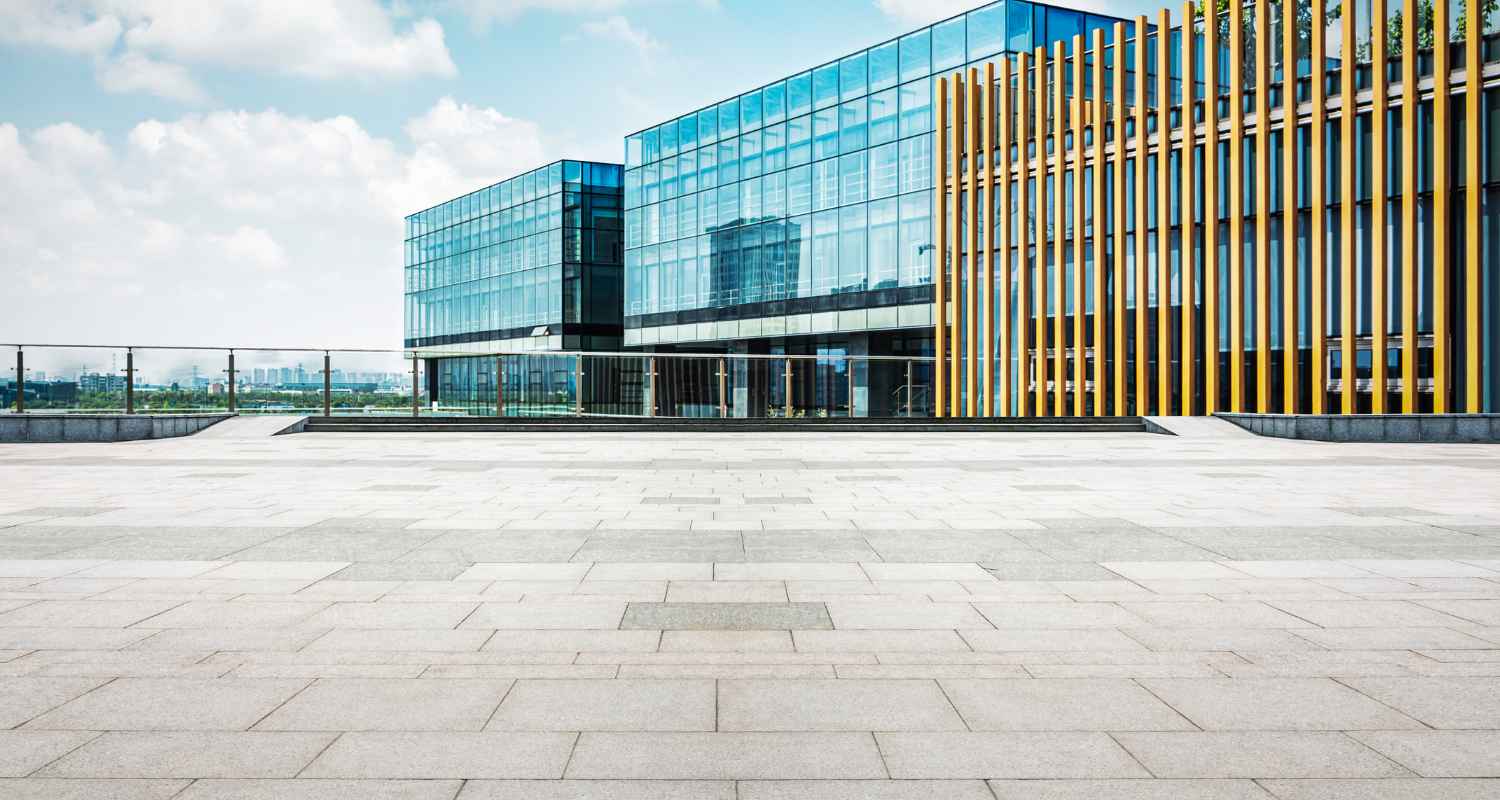
Medical office buildings achieve 8-10% yields in Dubai with occupancy rates maintaining stability through economic cycles. Healthcare providers require specialized facilities near major medical centers creating sticky tenancy and long-term commitments averaging 5-10 years.
Healthcare tourism drives sustained demand growth. Dubai attracts international patients seeking quality medical care combined with hospitality experiences. Medical office tenants rarely relocate due to patient relationships and significant equipment investments.
Aging expatriate populations and regional medical tourism position healthcare real estate for decade-long structural growth. Shared facilities and technological infrastructure within Class A medical office buildings provide operational efficiency independent practices cannot afford individually.
Medical office advantages:
- Average yields: 8-10% outperforming traditional office spaces
- Vacancy rates below 8% maintaining income stability
- Long-term leases 5-10 years reducing turnover costs
- Healthcare demand recession-resistant compared to discretionary sectors
Retail Properties: Tourism and Experiential Focus
Retail segment recorded AED 1.15 billion transaction value Q3 2025—95% quarterly increase and 55% year-over-year growth. Rising tourism exceeding 12.4 million visitors nine months 2025 drives retail property demand alongside high domestic spending.
Modern shopping destinations including City Walk, Dubai Hills, Palm Jumeirah, and Al Wasl Boulevard attract investors targeting experiential retail formats. Properties combining retail with entertainment or dining experiences outperform commodity shopping locations significantly.
Off-plan retail properties dominated market contributing 65% total transaction value. Developers offer flexible payment plans including 50/50 and 20/80 post-handover schemes enabling investors to manage cash flow while properties appreciate before completion.
Winning retail formats Dubai:
- Experiential retail: Entertainment integration, destination shopping, premium positioning
- Neighborhood convenience: Pharmacies, supermarkets, essential services, recession-resistant
- Food and beverage: Restaurant spaces, café clusters, high footfall areas
- Luxury retail: Downtown Dubai, Dubai Mall proximity, international brands
Mixed-Use Developments: Urban Master Plan Integration
Mixed-use properties combine residential, commercial, and retail spaces within master-planned communities delivering 6-9% yields through diversified income streams. These developments reduce sector-specific risk exposure inherent in single-asset-class investments.
Dubai's urban master plans including Dubai Hills Estate, Dubai Creek Harbour, and Emaar Beachfront prioritize mixed-use formats. Properties offering walkability, community amenities, and integrated services capture premium valuations while attracting both residents and businesses.
Millennial and downsizing retiree demographics prefer live-work-play environments. Staggered lease expirations across residential, office, and retail components provide income stability while cross-utilization of shared infrastructure reduces operational costs.
Mixed-use advantages:
- Diversified tenant types reducing single-sector risk
- Multiple income streams from residential, office, retail components
- Shared infrastructure reducing per-unit development costs
- Community activation through integrated amenities and services
Data Centers: AI Infrastructure Demand
Data center investments experiencing exponential growth through artificial intelligence, cloud computing, and digital transformation driving processing power and storage capacity demand. Dubai positions itself as regional data hub connecting Europe, Asia, and Africa.
Power consumption requirements and cooling infrastructure represent critical site selection factors. Data centers require 10-15 year pre-leasing commitments from major technology tenants providing income certainty. Specialized technical specifications demand sophisticated due diligence beyond traditional commercial properties.
Dubai's strategic initiatives supporting digital economy infrastructure create favorable regulatory environment. Free zones offering 100% foreign ownership and tax exemptions attract international data center operators and technology companies establishing regional headquarters.
Data center investment considerations:
- Specialized knowledge required for technical specifications
- Power availability and cooling infrastructure critical
- Long-term pre-leasing reduces vacancy risk
- Premium yields 8-12% justified by technical complexity
Self-Storage: Urbanization and Mobility Trends
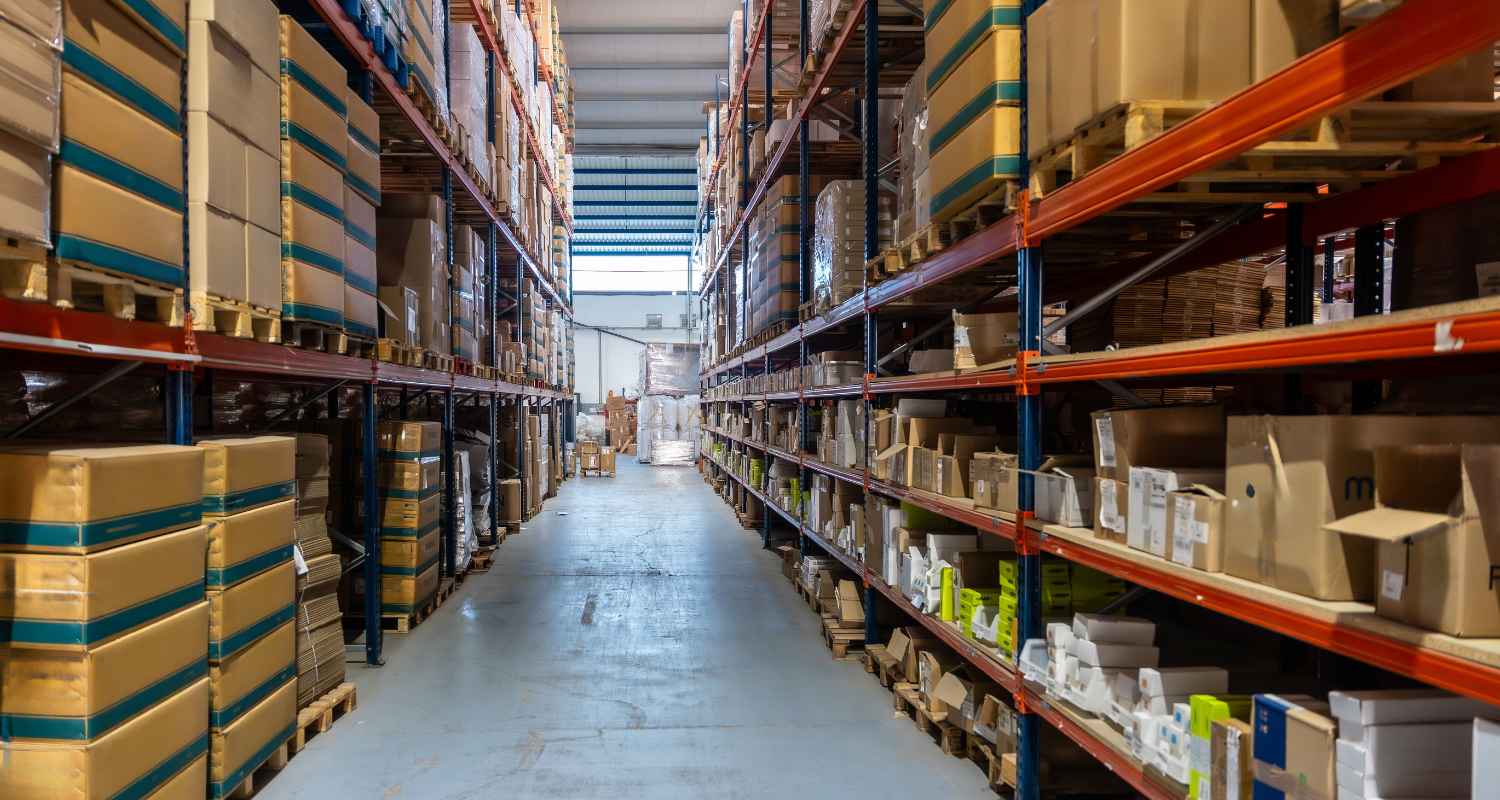
Self-storage facilities offer 8-12% yields with lower overhead costs than traditional commercial properties requiring intensive management. Urbanization and expatriate mobility drive consistent demand across economic cycles.
Month-to-month lease structures provide pricing flexibility. Operators adjust rates frequently matching market conditions without long-term contract constraints. Automated access systems, minimal staffing requirements, and straightforward maintenance reduce management complexity.
Dubai's transient expatriate population creates ongoing self-storage demand. Job relocations, visa status changes, and temporary housing transitions generate storage needs. Climate-controlled units command premium pricing protecting belongings from extreme heat.
Self-storage success factors:
- Location within 5-10 km dense residential areas
- Visible road frontage for customer acquisition
- Mix of unit sizes capturing diverse tenant needs
- Climate control essential in Dubai's extreme temperatures
Investment Strategy Framework Dubai
Successful commercial investing requires systematic evaluation across six critical dimensions. Asset selection determines long-term returns more than market timing or financing structure.
Sector fundamentals drive performance. Industrial and office demonstrate structural growth independent of economic cycles. Healthcare benefits from demographic shifts while data centers capitalize on digital transformation. Choose sectors with long-term tailwinds rather than cyclical recovery plays.
Location determines tenant quality and stability. Properties in Business Bay, DIFC, Jebel Ali, and Dubai South maintain occupancy during downturns through employment centers, transportation infrastructure, and free zone benefits. Proximity to metro, airports, and ports commands premium rents.
Lease structure impacts cash flow predictability. Triple-net leases transfer operating expenses to tenants improving landlord margins. Longer lease terms 5-10 years provide income certainty while shorter terms enable faster market-rate adjustments. Balance stability against pricing flexibility.
Tenant credit quality affects risk profile. Multinational corporate tenants justify lower cap rates through default protection. Medical office buildings benefit from healthcare system stability. Industrial properties secure long-term logistics operators reducing vacancy risk.
Capital requirements vary dramatically by sector. Industrial properties demand AED 2M-10M+ typical investments. Office spaces in DIFC require AED 3M-15M+ depending on size. House investments offer more accessible entry points for portfolio diversification before scaling into commercial assets.
Exit liquidity depends on asset class maturity. Office and industrial attract institutional buyers providing deep exit markets. Specialized assets like data centers require sophisticated purchasers. Property investment strategy should consider buyer pool depth when establishing hold period expectations.
Emerging Commercial Districts Dubai
Dubai South emerges as aviation and logistics capital. Al Maktoum International Airport expansion creates sustained demand for warehousing, offices, and hospitality properties. Current development phase offers early-stage entry pricing before infrastructure completion drives valuations higher.
Motor City receives approximately 680,000 square meters new office supply by 2027. Automotive-focused business park expanding into broader commercial applications. Affordable alternative to Business Bay capturing SME and mid-market tenant demand.
Dubai Creek Harbour waterfront master plan integrates residential, office, and retail components. Creek Tower (once completed) creates landmark positioning. Strategic location between Downtown Dubai and Dubai International Airport provides accessibility advantages.
Jumeirah Village Circle transitioning from purely residential to mixed-use character. Commercial developments targeting local service businesses and SMEs. Lower acquisition costs enable portfolio building strategies.
Portfolio Diversification Strategy

Commercial properties provide geographic and asset class diversification within real estate portfolios. Sector allocation across industrial, office, retail, and mixed-use distributes risk while capturing multiple growth drivers simultaneously.
Balance tax-free Dubai commercial exposure with residential holdings. 30-40% portfolio allocation to commercial assets captures institutional-grade yields while maintaining residential market exposure. Commercial property investment complements residential portfolios through different tenant profiles and lease structures.
Geographic diversification within Dubai mitigates location-specific risks. Combine established districts (Business Bay, DIFC) with emerging zones (Dubai South, Motor City) balancing immediate yields against appreciation potential. Mix freehold and leasehold tenures depending on investment horizon.
Diversification framework:
- Sector allocation: 40% industrial, 30% office, 20% retail, 10% mixed-use
- Geographic spread: 50% established districts, 30% emerging zones, 20% niche markets
- Asset size: Balance large institutional assets with smaller flexible properties
- Investment stage: 60% completed income-generating, 40% off-plan appreciation focus
LNH Properties Commercial Investment Advisory
International investors targeting Dubai commercial properties require specialized market expertise across freehold zones, developer relationships, and regulatory frameworks. LNH Properties provides comprehensive services including property sourcing, acquisition support, and operational setup.
Schedule consultation exploring Dubai commercial opportunities. Our specialists assess investment goals, recommend optimal sectors and locations, and outline complete implementation roadmaps. Discover how Dubai's tax-free commercial real estate generates superior risk-adjusted returns compared to Western markets.
FAQ
What commercial property type delivers highest returns Dubai?
Industrial/logistics properties generate 7-10% yields with Jebel Ali and Dubai South leading performance. Office spaces in Business Bay and DIFC achieve 8-9% yields with 15% annual rent growth. Self-storage facilities reach 8-12% yields with minimal management requirements. Medical office buildings deliver 8-10% yields with superior occupancy stability.
How much capital needed for commercial property investment Dubai?
Industrial properties typically require AED 2M-10M+ minimum investments. Office spaces in DIFC start AED 3M-15M+ depending on size and location. Retail units range AED 1M-5M in established districts. Self-storage facilities AED 5M-20M depending on scale. Down payments 25-35% with financing available for qualified investors.
Are commercial properties better than residential investments Dubai?
Commercial properties generate higher yields (6-10% vs 5-7% residential) with longer lease terms providing income stability. However, they require larger capital, specialized knowledge, and active management. Commercial assets face higher vacancy risk but compensate through premium rents and institutional-grade tenants. Tax-free income amplifies advantages both sectors.
What are main risks Dubai commercial real estate?
Tenant default eliminates significant income when single tenants occupy entire properties. Economic downturns reduce demand particularly for office and retail space. Oversupply in specific sectors pressures rents and valuations. Regulatory changes affecting free zone benefits or foreign ownership rights. Currency risk for investors converting returns to non-AED currencies.
Is 2025 good timing for Dubai commercial property investment?
Q3 2025 showed 31% year-over-year transaction growth demonstrating sustained investor confidence. Office segment recorded 93% annual growth with supply constraints driving 15% rent increases. Industrial occupancy exceeds 90% in prime zones. Off-plan opportunities provide 10-20% discounts before completion. Strategic acquisitions now position for continued demand growth through 2026-2027.
You May Also Be Interested In