
Terrace vs. Balcony in the UAE: What's the Real Difference?
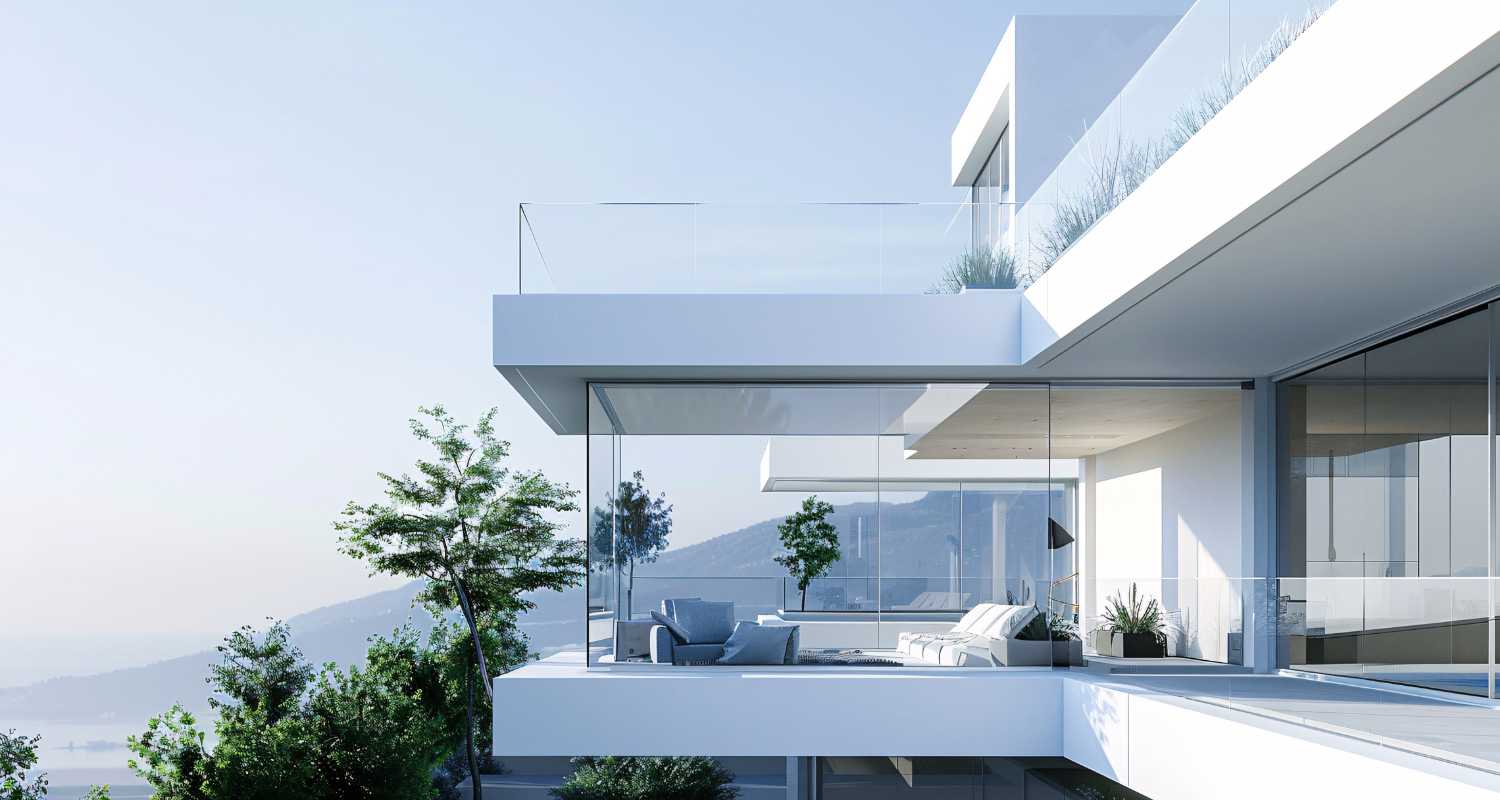
When comparing apartments in Dubai or Abu Dhabi, you've probably noticed that properties advertised with "private terraces" command significantly higher prices than those with standard balconies — even when the internal square footage appears identical. But is a terrace really just a bigger balcony, or are there fundamental differences that justify the premium pricing?
This guide breaks down the architectural, regulatory, and financial distinctions between terraces and balconies in the UAE property market, helping you understand whether the extra investment delivers real value.
Key Takeaways
- Main difference: A balcony is a suspended platform projecting from the building's facade, while a terrace is a flat area resting on a structural slab (roof or podium).
- Size matters: Balconies typically range from 2-10 sqm; terraces can span 20-100+ sqm.
- Regulations: BBQ is strictly prohibited on balconies but often permitted on private terraces (with developer approval).
- Price impact: Terraces command premiums because outdoor space is typically valued at 30-50% of internal square footage rates.
- Bottom line: If your budget allows, terraces offer superior lifestyle value and stronger resale potential in Dubai and Abu Dhabi's luxury market.
- Understanding the Technical Differences
The distinction between a terrace and balcony isn't merely about size — it's fundamentally about structural design and how these spaces integrate with the building:
What is a Balcony?
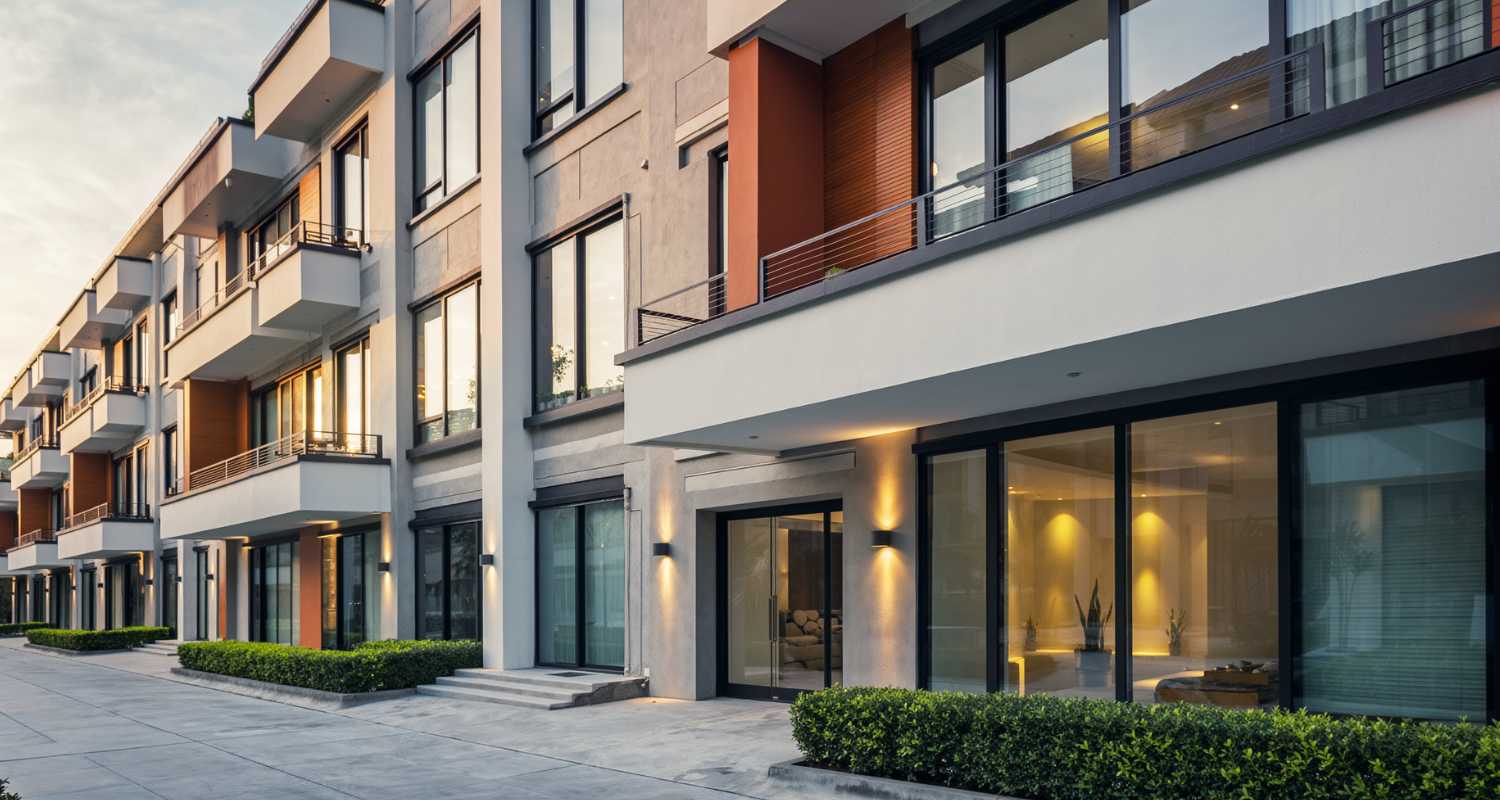
A balcony is a suspended platform that projects outward from the building's main facade. It's structurally attached to a specific room (usually the living room or master bedroom) and typically features:
- Cantilevered or bracket-supported construction
- Direct access from one or two interior rooms
- Protective railings on all exposed sides
- Smaller footprint (usually 2-10 square meters)
- Limited weight-bearing capacity
Think of balconies as "extensions" of your apartment that hang over the floor below, offering views and fresh air but with spatial constraints.
What is a Terrace?
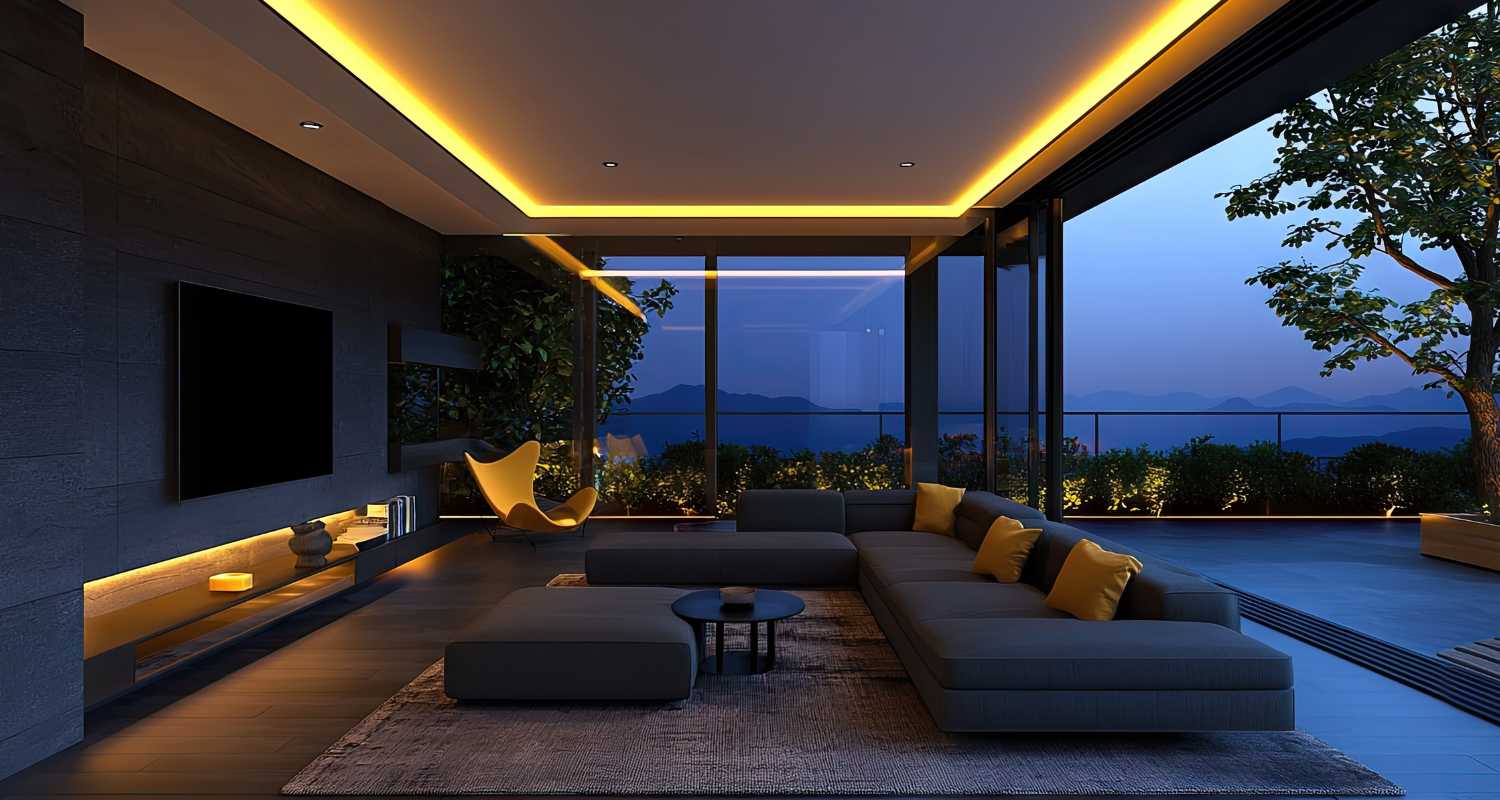
A terrace is a flat, open-air platform that rests on a solid structural element — either a building's roof, a podium deck, or a setback slab between floors. Key characteristics include:
- Built on a load-bearing slab foundation
- Significantly larger space (typically 20-100+ square meters)
- Often accessible from multiple rooms
- Can support heavier furniture and features
- May include private gardens or landscaping
Terraces function as genuine outdoor rooms rather than simple viewing platforms, which explains their lifestyle premium in the UAE market.
The Loggia: A Third Option
Some UAE developments feature loggias — covered outdoor spaces recessed into the building's structure rather than projecting outward. Loggias offer shade protection (crucial in Dubai's climate) while maintaining outdoor airflow. They're particularly common in Italian-inspired architecture found in developments like Dubai Hills Estate.
UAE Regulations: What You Can and Cannot Do?
Understanding local regulations helps avoid fines and ensures you maximize your outdoor space legally:
Barbecuing and Open Flames
- Balconies: Strictly prohibited. Dubai Civil Defense regulations classify balconies as fire hazards due to their proximity to other units and limited ventilation. Using BBQ equipment on balconies can result in fines and poses serious safety risks to the building.
- Terraces: Generally permitted on private ground-floor or rooftop terraces, but you must obtain a No Objection Certificate (NOC) from your developer or building management. Some developments have designated BBQ areas on communal terraces.
Aesthetic and Usage Rules
The Dubai Municipality and Dubai Land Department (DLD) enforce specific guidelines:
- No visible laundry: Hanging clothes or towels on balcony railings violates building aesthetics codes in most developments
- Storage restrictions: Balconies and terraces cannot be used for unsightly storage or converted into closed rooms
- Furniture standards: Outdoor furniture must be weather-appropriate and maintain the building's visual standards
Safety Requirements
The Dubai Building Code mandates:
- Minimum railing height of 1200mm (approximately 4 feet) for all balconies and terraces
- Railings must prevent children from climbing (maximum 100mm gap between bars)
- Regular structural inspections for cantilevered balconies in buildings over 10 years old
The Investment Perspective: Understanding Pricing
Smart buyers analyze how developers and sellers price outdoor spaces:
Built-Up Area (BUA) vs. Gross Floor Area (GFA)
When reviewing property listings, you'll encounter two measurements:
- Built-Up Area (BUA): The internal, air-conditioned space of your apartment
- Gross Floor Area (GFA): BUA plus external areas (balconies, terraces)
Here's the critical distinction: outdoor space typically contributes to the total price at a reduced rate — usually 30-50% of the per-square-foot cost of internal space.
Example calculation:
- 2-bedroom apartment: 1,200 sqft internal @ AED 1,500/sqft = AED 1,800,000
- Standard balcony: 80 sqft @ AED 600/sqft (40% of internal rate) = AED 48,000
- Private terrace: 400 sqft @ AED 600/sqft = AED 240,000
This explains why comparable apartments in the same building can differ by AED 200,000+ based solely on terrace size.
Service Charge Considerations
Critical question buyers often miss: Are you paying annual service charges on your outdoor space?
Most developments include balconies and terraces in the service charge calculation, though sometimes at reduced rates:
- Standard practice: Full service charge applies to covered terraces (typically AED 10-25 per sqft annually)
- Reduced rates: Open terraces may be charged at 50% of the internal rate
- Exemptions: Some luxury developments don't charge service fees on ground-floor private gardens
Always verify this before purchasing — a 500 sqft terrace charged at AED 15/sqft adds AED 7,500 annually to your maintenance costs.
Terrace vs. Balcony: At a Glance Comparison
Lifestyle Considerations: Which Fits Your Needs?

The Balcony Lifestyle
Balconies suit:
- Urban professionals who want a quick escape for morning coffee with Marina or Downtown views without the maintenance of larger spaces.
- Minimalists who prefer low-maintenance living and don't need extensive outdoor entertaining areas.
- Budget-conscious buyers maximizing internal square footage while still enjoying outdoor access.
- Renters who want outdoor space without paying significant premiums, as balcony apartments typically rent for only 5-10% more than units without any outdoor access.
The Terrace Lifestyle
Terraces are ideal for:
- Families with children who need safe outdoor play areas without leaving the apartment. Ground-floor terraces with private gardens effectively create villa-style living within apartment buildings.
- Pet owners seeking outdoor space for dogs. Many buildings in Dubai Marina, JBR, and Downtown feature ground-floor terrace apartments specifically marketed to pet owners.
- Entertainers who regularly host gatherings. A 400 sqft terrace can comfortably accommodate 12-15 guests for dinner parties — impossible on standard balconies.
- Garden enthusiasts wanting to create outdoor sanctuaries. Rooftop terraces in developments like City Walk and Bluewaters Island support extensive planters, herb gardens, and even small trees.
- Winter maximalists who recognize that from November to March, terraces effectively double your living space in Dubai's perfect outdoor weather.
Top UAE Areas for Terrace Apartments
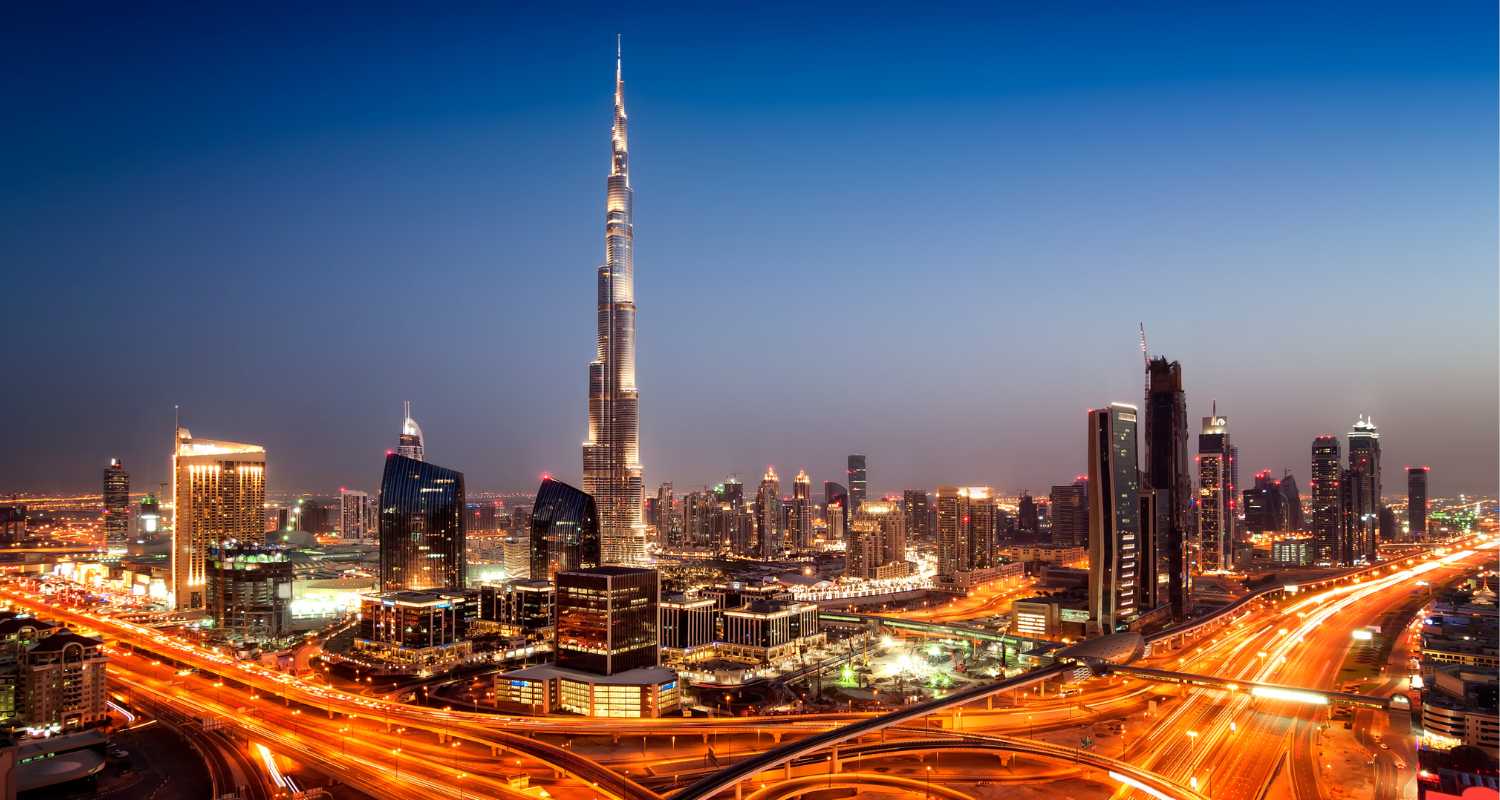
Certain neighborhoods feature higher concentrations of premium terrace properties:
Dubai
Downtown Dubai: Many apartments in Boulevard area buildings feature podium-level terraces with Burj Khalifa views. Expect premiums of 25-35% over standard units.
Dubai Marina: Ground-floor and mid-level terrace apartments overlook the marina walkway. Buildings like Marina 101 and Princess Tower offer rooftop terrace penthouses.
Palm Jumeirah: Signature Villas and Tiara Residences feature massive terraces (some exceeding 1,000 sqft) with direct beach or Atlantis views.
City Walk: Contemporary buildings designed with expansive corner terraces and rooftop spaces, often integrated with outdoor kitchens.
Abu Dhabi
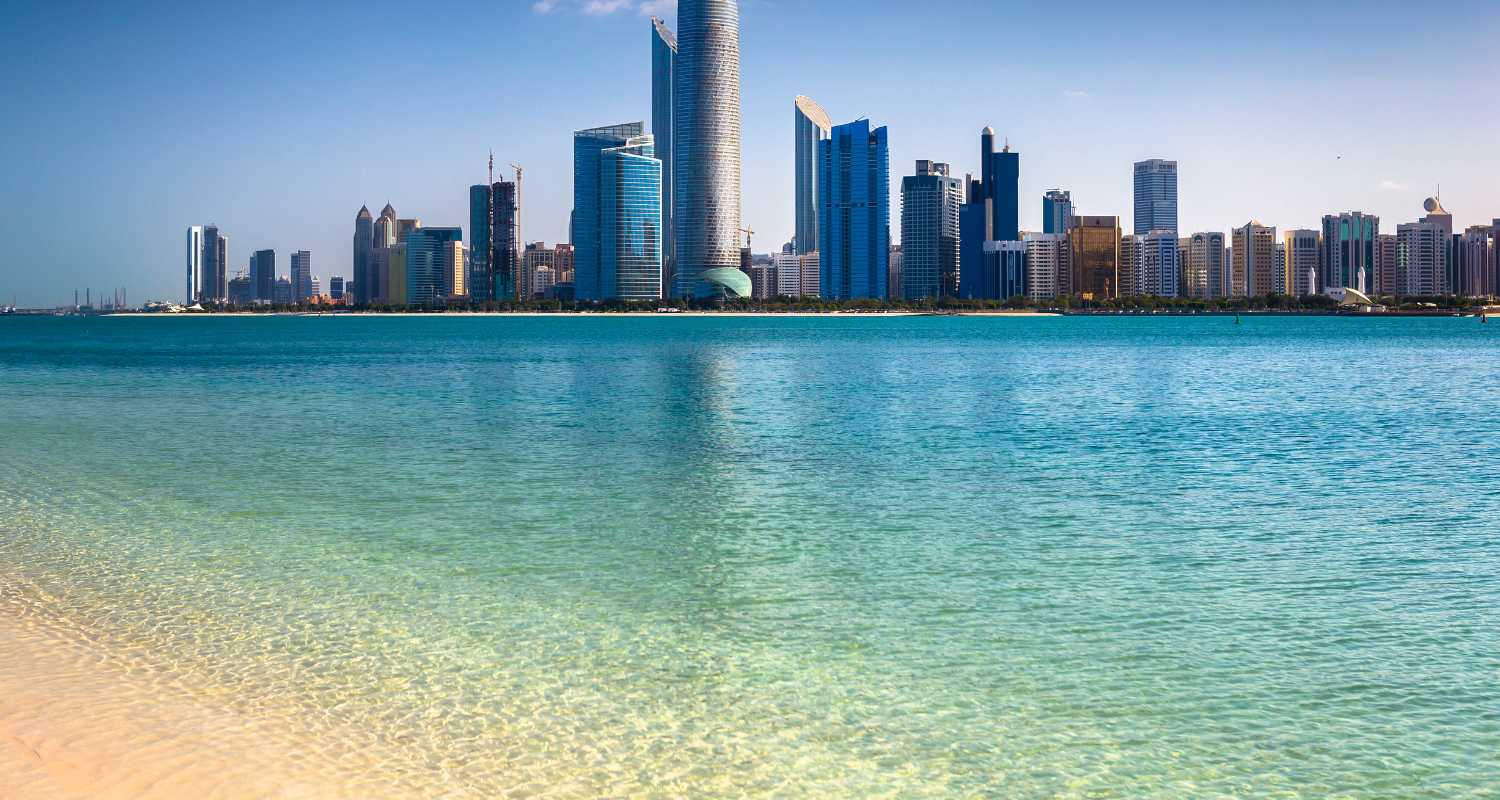
Al Reem Island: Developments like Marina Square feature terrace apartments with sea views and direct access to waterfront promenades.
Saadiyat Island: Luxury buildings near Saadiyat Beach offer terraces designed for year-round outdoor living with sophisticated landscaping.
Making the Right Investment Decision
When evaluating terrace versus balcony apartments, consider these final factors:
Resale potential: In Dubai's luxury segment (properties above AED 2M), terraces significantly boost resale values. Buyers actively filter for terrace properties, reducing your time on market.
Rental yields: Terrace apartments command 15-25% rental premiums in family-oriented areas like Dubai Marina, JBR, and Dubai Hills Estate.
Lifestyle ROI: If you'll use the space regularly (dining, hosting, exercising), terraces deliver measurable quality-of-life improvements beyond financial returns.
Maintenance reality: Larger terraces require regular upkeep — cleaning, plant care, furniture maintenance. Ensure you're prepared for this commitment or budget for professional services.
Ready to find your perfect outdoor living space in Dubai or Abu Dhabi? LNH Properties specializes in terrace apartments across the UAE's most desirable neighborhoods. Whether you're seeking a ground-floor garden terrace in Dubai Marina or a penthouse rooftop in Downtown, our team can match you with properties that deliver both lifestyle value and investment returns.
Contact our specialists today to schedule viewings of current terrace listings and discuss how outdoor space impacts your specific investment goals.
Frequently Asked Questions
Can I enclose my balcony or terrace to create additional indoor space?
No. Dubai Municipality regulations strictly prohibit enclosing balconies or terraces without explicit approval, which is rarely granted. Unauthorized enclosures violate building codes and can result in fines plus mandatory removal at your expense.
Do terraces increase property cooling costs?
Not significantly. Since terraces are outdoor spaces, they don't require air conditioning. However, large glass doors accessing terraces can increase heat transfer if not properly insulated. High-quality double-glazing mitigates this concern.
Are pets allowed on balconies and terraces?
Building pet policies apply to all areas of your unit, including outdoor spaces. Most developments permit pets on balconies and terraces, but always verify specific rules. Ground-floor terraces are significantly more convenient for dog owners.
How much weight can a balcony support?
Standard UAE balconies are designed for loads of approximately 300-400 kg per square meter. This accommodates normal furniture and occupancy but excludes heavy items like jacuzzis or extensive planters without structural reinforcement.
Do rooftop terraces come with exclusive access?
In most cases, yes. Rooftop terrace penthouses typically feature private staircase or elevator access, making the terrace an extension of your unit. Always confirm access arrangements before purchasing, as some buildings have shared rooftop areas.